
Solvay has secured Brazilian rare earth feedstock from Viridis for its French refinery, with deliveries expected in 2028 as it expands separation capacity at La Rochelle.
Solvay has signed a long-term supply agreement with Viridis Mining and Minerals, advancing a planned Brazil-to-France rare earth supply chain as the chemical group seeks more raw material for its La Rochelle operations.
The company confirmed in its November 4 quarterly results that feedstock supply is expected to begin in 2028. The agreement follows a letter of intent announced in June and moves the relationship beyond preliminary sourcing discussions.
The commercial significance lies in connecting a developing mineral resource with an established separation business. Raw material alone cannot serve manufacturers that require individual, high-purity rare earth products; the processing stage determines what can ultimately reach those customers.
Brazilian feedstock for French separation
According to Solvay’s supply announcement, reproduced by 6ix, Viridis will provide mixed rare earth feedstock from its Colossus project in Brazil. The initial agreement runs through 2034, with shipments expected to start in 2028.
Minimum commitments for neodymium, praseodymium, dysprosium and terbium represent about 70% of the project’s anticipated production capacity during that initial period. Solvay also has a right of first offer over the remaining production. The percentage relates to planned capacity, rather than output already being delivered.
A separate technology licensing and technical support arrangement remains contemplated. It would help Viridis produce an upgraded carbonate for La Rochelle. That proposed technical package should therefore be distinguished from the supply agreement that Solvay says it has signed.
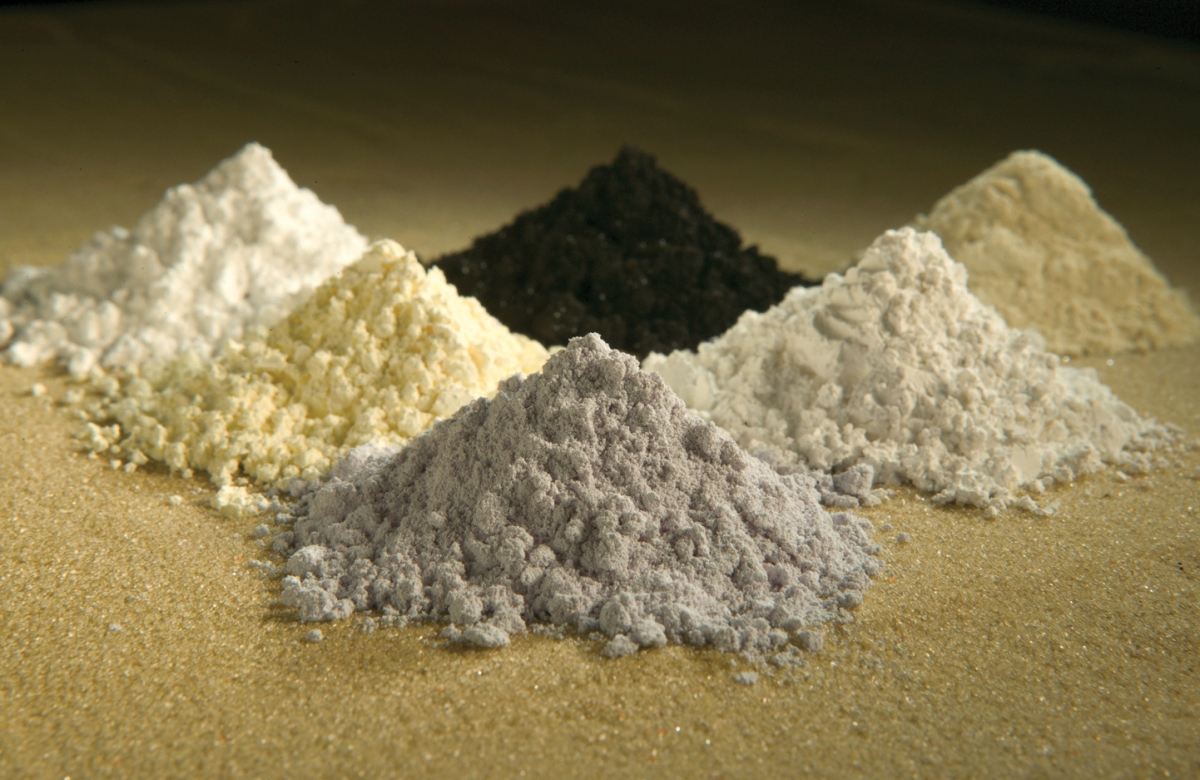

The companies’ June announcement identified electric vehicle motors, renewable energy, electronics and defense as potential uses for the refined materials. It also described a feedstock containing samarium, gadolinium and yttrium alongside the four magnet-related elements.
At that stage, Solvay reiterated an ambition to supply 30% of Europe’s market for magnet-grade light and heavy rare earths by 2030. That remains a company target, rather than a measure of its current market share or a guaranteed outcome of this contract.
Capacity spending and customers shape the next steps
Solvay’s second-quarter update disclosed approval of an additional €15 million–€20 million investment to expand separation capacity at La Rochelle, supported by new customer commitments. The site can process the full range of rare earth elements at industrial scale, according to the company.
The group’s downstream plans also extend to the United States. Under a previously announced agreement with Noveon Magnetics, Solvay is to supply neodymium-praseodymium, dysprosium and terbium oxides starting in 2026. That arrangement includes material recovered from end-of-life products among its sources.
The two contracts address different parts of the business: Viridis is a planned source of incoming material, while Noveon is a customer for processed oxides used to manufacture magnets. The announcements do not establish that particular Colossus shipments are earmarked for Noveon.
Solvay is separately continuing talks with investment firm OneIM about a potential rare earths joint venture. Its latest update says any definitive deal would involve contributing rare earth activities while retaining a significant minority stake. No completed transaction was announced in that update.
For manufacturers seeking additional supply options, the next meaningful test will be delivery: whether the Brazilian feedstock arrives on the expected schedule and can be converted into the products customers require. The signed agreement establishes a commercial route, but it does not provide immediate additional supply.