
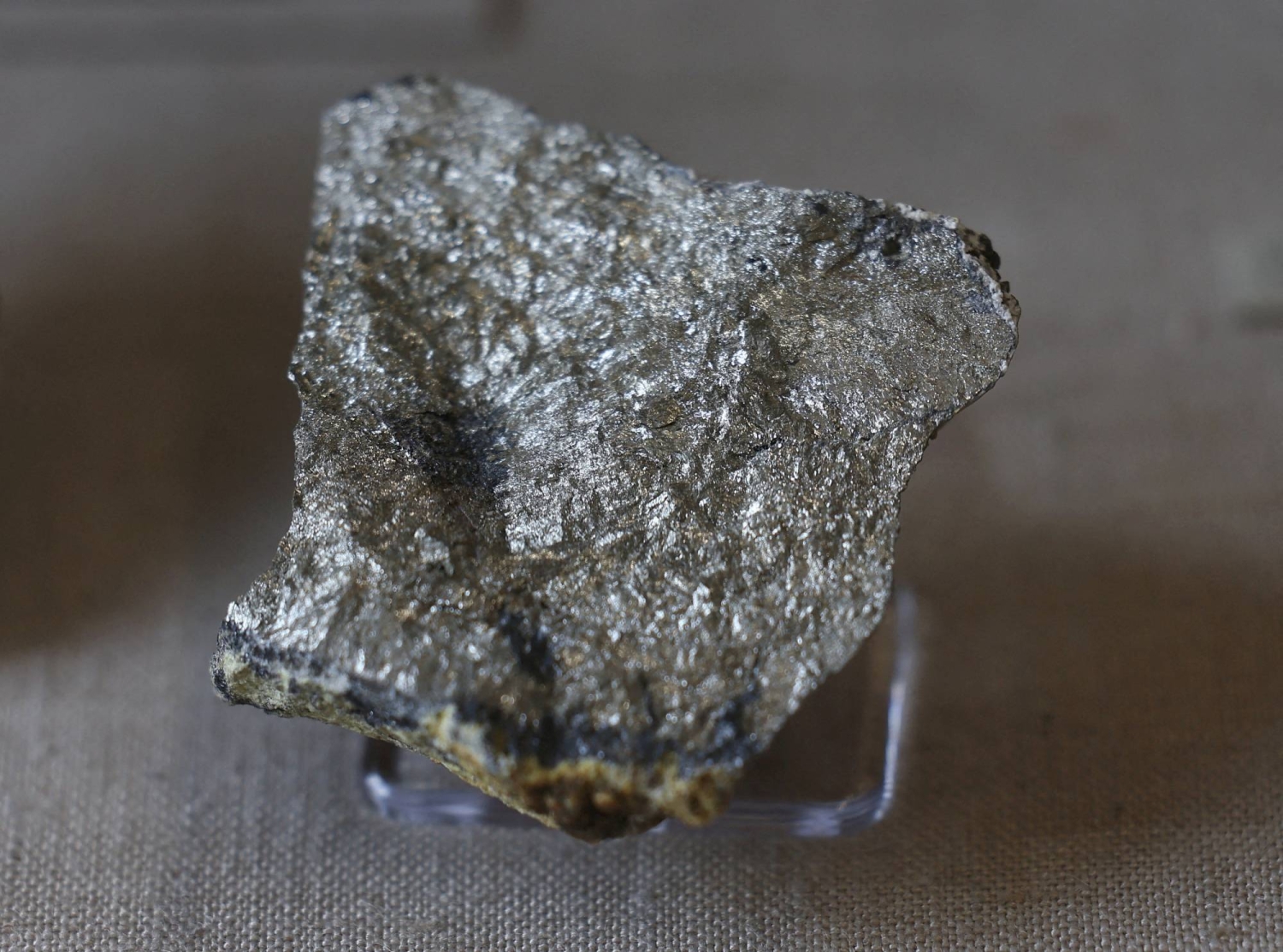
- Chinese companies reportedly control nearly 90 per cent of Zimbabwe’s lithium reserves.
- Community groups have raised concerns about pollution, unsafe mining practices and environmental damage.
- Zimbabwe plans to ban lithium concentrate exports from 2026 to promote domestic processing and value addition.
- The country’s lithium sector is becoming strategically important in the global race for critical minerals
Chinese companies have gained control of nearly 90 per cent of Zimbabwe’s lithium reserves, prompting growing concerns over environmental degradation, labour conditions and the country’s long-term control over one of the world’s most sought-after critical minerals, according to a new report.
The report, published by Kenya-based Capital News and citing findings from the US House Select Committee on the Strategic Competition Between the United States and the Chinese Communist Party, alleged that governance weaknesses and corruption have enabled several Chinese mining firms to operate with limited oversight and accountability.
Lithium, a key component in electric vehicle batteries and energy storage systems, has become a strategic resource in the global transition to clean energy. Zimbabwe possesses some of Africa’s largest lithium deposits and has emerged as a major supplier to China, the world’s leading battery manufacturing hub.
Concerns over safety conditions
According to the report, communities living near mining sites have raised concerns about unsafe working conditions, water contamination, groundwater depletion and environmental damage associated with large-scale lithium extraction. Allegations have also surfaced regarding mineral smuggling and inadequate enforcement of environmental regulations.
Residents of Shurugwi, a mining district in central Zimbabwe, have petitioned Parliament seeking intervention over what they described as environmental destruction, health hazards and human rights concerns linked to the operations of a Chinese-owned open-pit lithium mine.
The petition alleged that mining activities involving toxic chemicals and heavy metals had polluted the Mutevekwi River, damaged biodiversity and affected local livelihoods. Community groups also claimed that existing grievance mechanisms were ineffective and accused some mining operators of bribing officials and law enforcement personnel to circumvent regulations.
The concerns come as Zimbabwe seeks to capture greater value from its mineral wealth. The government has accelerated plans to prohibit exports of lithium concentrate from 2026, a year earlier than initially planned, in an effort to encourage domestic processing and refining industries.
Global battery supply chain
The move is expected to have significant implications for China, which currently receives nearly 90 per cent of Zimbabwe’s lithium exports. Harare hopes that local beneficiation will create jobs, attract investment and strengthen its position within the global battery supply chain. Officials have also indicated interest in expanding partnerships with countries including the United States in the critical minerals sector.
The report also highlighted broader concerns about China’s lithium strategy beyond Africa. It cited criticism of large-scale lithium extraction projects in Tibet, where analysts and advocacy groups have argued that economic benefits primarily flow to mainland China while local communities bear the environmental and social costs.
As competition for critical minerals intensifies worldwide, Zimbabwe’s lithium sector is increasingly becoming a focal point in the broader geopolitical contest over supply chains vital to electric vehicles, renewable energy technologies and future industrial development.