
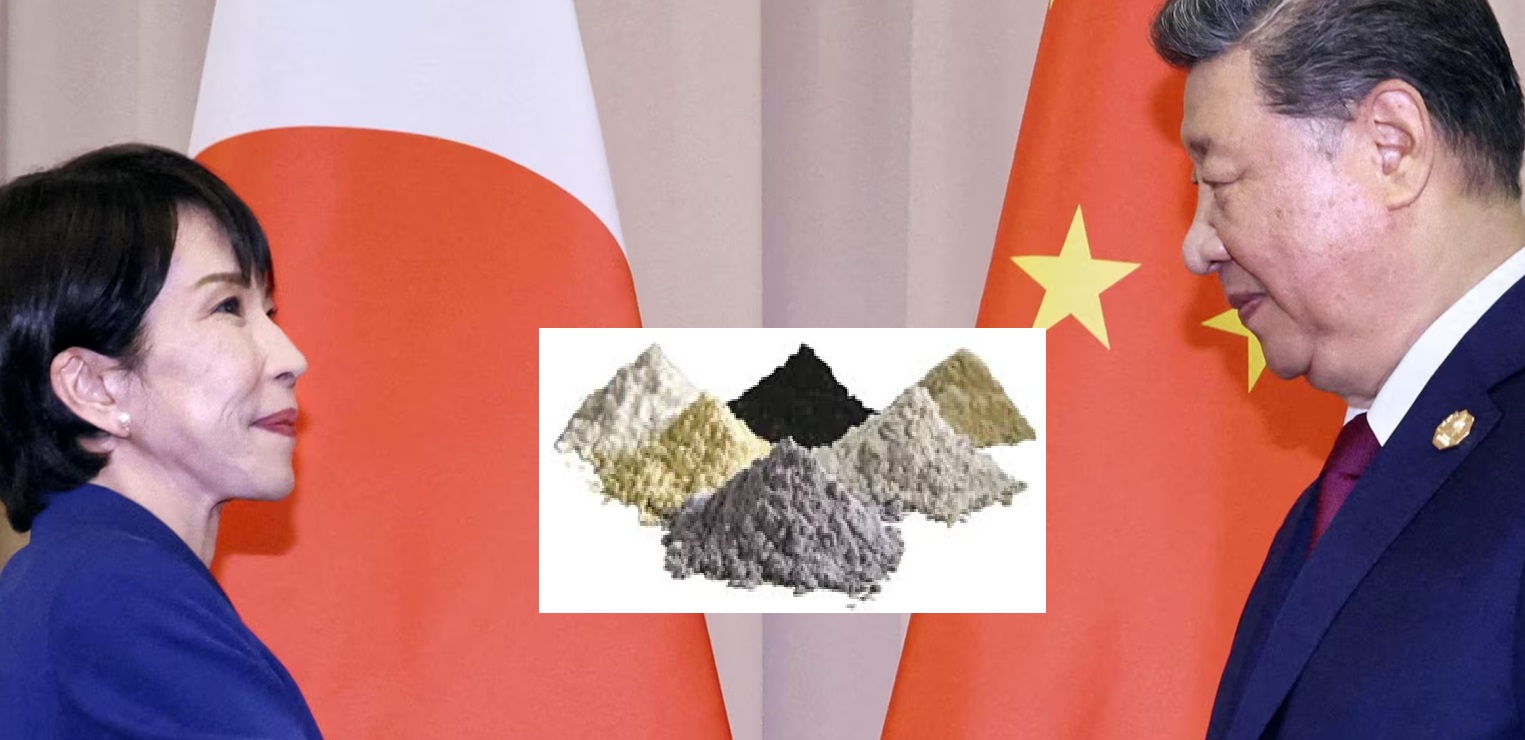
China has announced a ban on the export of dual-use goods to Japan when such items are intended for military purposes, in a fresh move that sharpens already strained ties between the two neighbours.
The decision was disclosed by China’s Ministry of Commerce late on Monday and takes effect immediately. Under the new rule, exporters are prohibited from shipping goods, technologies or services that have both civilian and military applications to Japan if they are deemed to support military activities. Beijing said violations would attract legal consequences, including penalties for overseas entities involved in breaching the restrictions.
Dual-use items span a wide range of products, from advanced materials and electronic components to certain critical minerals and specialised software. While Chinese authorities did not release a detailed list of restricted goods, the ministry said the measure was necessary to safeguard national security and fulfil international non-proliferation obligations.
Taiwan Tensions Escalate
The move comes against the backdrop of worsening political relations, particularly over Taiwan. Tensions flared after Japanese Prime Minister Sanae Takaichi said last year that a Chinese military action against Taiwan would pose a serious threat to Japan’s own security — remarks that drew strong criticism from Beijing.
Japan reacted swiftly, lodging a formal protest and urging China to withdraw the ban. Tokyo described the decision as “absolutely unacceptable,” arguing that the restrictions single out Japan and undermine the stability of bilateral economic relations. Japanese officials also said the lack of clarity over the scope of the controls makes it difficult for companies to assess the impact on trade and supply chains.
The export ban adds to a series of measures that have strained ties between the two countries in recent months. China has previously suspended imports of certain Japanese products, warned its citizens about travel to Japan and curtailed some bilateral exchange activities, underscoring the depth of the diplomatic rift.
How Japan’s Military Build-up Affected?
Although China did not explicitly mention rare earths, analysts say the category of dual-use goods could potentially cover materials critical to Japan’s automotive, electronics and defence industries. China remains the world’s dominant supplier and processor of rare earth elements, which are essential for products ranging from electric vehicle motors to precision-guided weapons.
Despite the diplomatic friction, trade flows between the two economies have remained substantial. Chinese customs data showed that exports of rare earths to Japan rose sharply in the months leading up to the announcement, suggesting that commercial ties had not yet been materially disrupted.
The new controls also come as Japan steps up defence spending and deepens security cooperation with allies, moves that Beijing has repeatedly criticised. China has argued that Japan’s evolving security posture risks destabilising the region, while Tokyo maintains that its policies are defensive and necessary in light of growing regional threats.
For now, the immediate economic impact of the export ban remains uncertain, largely due to the absence of detailed guidance from Beijing. However, the move highlights how geopolitical tensions are increasingly spilling over into trade and technology, raising fresh concerns for companies operating across one of Asia’s most important economic corridors.
[…] to its 2026 outlook remain skewed to the downside, particularly if global growth disappoints or China’s slowdown deepens. Still, it expects Western investment to accelerate across mining value […]