
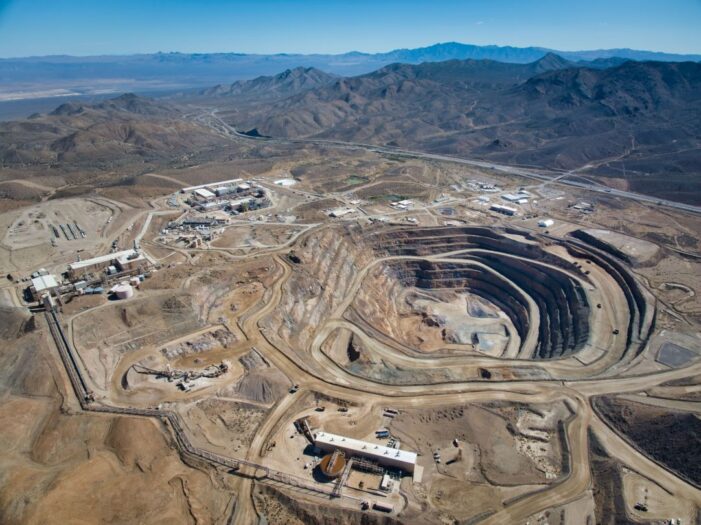
As countries accelerate efforts to secure supplies of rare earth elements critical to the clean energy transition, experts are warning that the global scramble risks triggering a new wave of environmental damage, potentially repeating the mistakes seen in China over past decades.
Rare earths are indispensable to modern green technologies, particularly high-performance magnets used in electric vehicles, wind turbines and advanced electronics. But their extraction and processing generate significant environmental costs, including toxic waste, water contamination and long-term ecosystem degradation.
The urgency to diversify supply chains away from China, currently dominant in mining, refining and magnet production, has pushed countries into exploring increasingly remote and ecologically sensitive regions.
One of the most striking examples is Japan’s recent effort to extract rare earth-rich seabed mud from the Pacific Ocean at depths of around 5,700 metres. The project marks the first attempt to retrieve such materials from extreme ocean depths, highlighting how far nations are willing to go to secure critical minerals.
At the same time, attention is turning to land-based reserves in regions such as the Amazon in Brazil. According to the U.S. Geological Survey, the Amazon basin holds an estimated 21 billion tonnes of rare earth reserves, second only to China. However, the region is one of the most biodiverse ecosystems on Earth and plays a crucial role in regulating the global climate, while also being home to numerous Indigenous communities.
Other emerging frontiers include Greenland, Mongolia’s grasslands and Madagascar’s fragile island ecosystems, all of which are facing growing exploration pressure.
Environmental costs under scrutiny
The environmental footprint of rare earth mining is severe. Industry estimates suggest that extracting a single tonne of rare earth material can generate up to 2,000 tonnes of toxic waste, including radioactive byproducts, along with millions of tonnes of wastewater annually.
Exposure to these materials has been linked to serious health risks, including lung disease, neurological damage, cardiovascular issues and increased cancer risk.
The legacy of rare earth production in China offers a cautionary example. In the city of Ganzhou, extensive in-situ leaching has caused widespread soil acidification and water pollution. Meanwhile, operations in Inner Mongolia, particularly around the Bayan Obo mining complex, have resulted in decades of toxic waste discharge into tailings reservoirs, contaminating land and groundwater.
Balancing supply security and sustainability
As governments push to reduce reliance on China, analysts say the challenge lies in securing supply without compromising environmental and social safeguards.
Key measures under discussion include:
- Stronger enforcement of global tailings and waste management standards
- Safe, long-term storage solutions for radioactive materials
- Early and meaningful consultation with Indigenous communities under international frameworks
- Linking public funding and supply agreements to environmental performance
There is also growing momentum for new pricing mechanisms that incorporate environmental costs into rare earth markets, including proposals for international price floors tied to sustainability benchmarks.
Governments are expected to play a central role through subsidies, strategic investments and offtake agreements. However, experts caution that such support must be conditional on strict environmental compliance to avoid incentivising harmful practices.
A critical turning point
Rare earth elements remain essential to the global transition toward cleaner energy systems. Yet the expanding geopolitical race to secure them raises a fundamental dilemma: how to meet surging demand without inflicting irreversible environmental damage.
Without coordinated international standards and oversight, analysts warn, the world risks entering a “race to the bottom”—where supply security is prioritised at the expense of ecosystems and communities most vulnerable to the impacts of extraction.
china, environmental risk, gold minng, health risks, rare erths race

Race for Rare Earths Risks New Environmental Crisis to Amazon Region added by Sridhar P on
View all posts by Sridhar P →